Why Pellet Choice Matters for Multi-Day Camping
When you’re out for several days with a pellet tent stove, the fuel you bring is your lifeline. It’s not just about heat—it’s about predictability. A bad batch of pellets can mean constant fiddling, poor burn, and a cold tent. On a multi-day trip, you can’t just pop to the store. So, choosing the right pellets and storing them properly is as important as your tent or sleeping bag.
For hot tent camping, pellets offer convenience: they’re uniform, easy to feed, and produce consistent heat. But not all pellets are created equal. Some are designed for home pellet stoves, others for grills, and some are just sawdust with additives. Knowing what to look for saves you from a miserable night.
Step 1: Know Your Pellet Types
First, understand the two main categories: hardwood and softwood pellets. Hardwood (like oak, maple, hickory) burns hotter and leaves less ash, making it a favorite for camping. Softwood (like pine, fir) lights faster and produces a pleasant aroma, but can create more creosote. For camping stoves, a blend or pure hardwood is usually the best balance.
Also, check for premium vs. standard grades. Premium pellets have low ash content (under 1%) and are made from clean sawdust. Standard pellets may contain bark, which increases ash and can clog your stove’s grate. For a multi-day trip, premium is worth the extra cost.
Step 2: Check for Additives and Binders
Some pellets, especially those for grills, may have flavoring oils or binders. Avoid these for camping stoves—they can produce sticky residue and foul odors. Look for pellets that are 100% wood, with no additives. The bag should say “all natural” or “no binders.” If it smells chemically when you open it, don’t buy it.
Step 3: Buy the Right Size and Quantity
Most camping stoves use standard 6mm or 8mm diameter pellets. Check your stove’s manual—using the wrong size can jam the feed mechanism. Also, think about how much you’ll need. A typical rule of thumb: a 40-pound bag can last up to 8 hours on a low burn, but that varies. For a weekend (2 nights), plan for at least 1.5 bags, especially if you’ll use the stove for cooking too. It’s better to have extra than to run out.
Step 4: Store Pellets Airtight and Off the Ground
Moisture is the enemy. Pellets absorb water and swell, turning into sawdust that won’t burn well. For multi-day trips, repack pellets into sealed, waterproof containers—like heavy-duty plastic bins or dry bags. Keep them off the ground to avoid condensation. If you’re car camping, a large tote works; for backpacking, use multiple smaller bags.
Pro tip: Use a pellet scoop or a clean, dry cup to transfer pellets to the stove. Avoid touching them with wet hands.
Step 5: Test Your Stove Before You Go
Before a long trip, do a burn test at home with the exact pellets you plan to use. This helps you adjust the airflow and feed rate, and ensures the pellets don’t jam your stove. It also gives you a sense of how much ash to expect, so you can plan cleaning breaks.
Checklist for Pellet Camping
- Choose premium hardwood pellets with no additives.
- Verify pellet diameter matches your stove (6mm or 8mm).
- Pack 1.5–2 bags per day of heavy use.
- Store pellets in airtight, waterproof containers.
- Keep pellets off the ground and away from tent walls.
- Bring a small scoop and a dry cloth for handling.
- Test burn before the trip.
Common Mistakes and How to Avoid Them
Mistake 1: Using grill pellets with flavorings. They can coat your stove with sticky residue. Stick to plain wood pellets.
Mistake 2: Storing pellets in paper bags. They’ll absorb moisture overnight. Transfer to plastic or metal containers.
Mistake 3: Overfeeding the stove. Too many pellets at once can smother the fire and create smoke. Follow your stove’s feed rate guidelines.
Mistake 4: Ignoring ash buildup. Ash can block airflow. Empty the ash pan regularly, especially on multi-day trips.
How Green Stove Hori 5 and Hori 5 Max Fit In
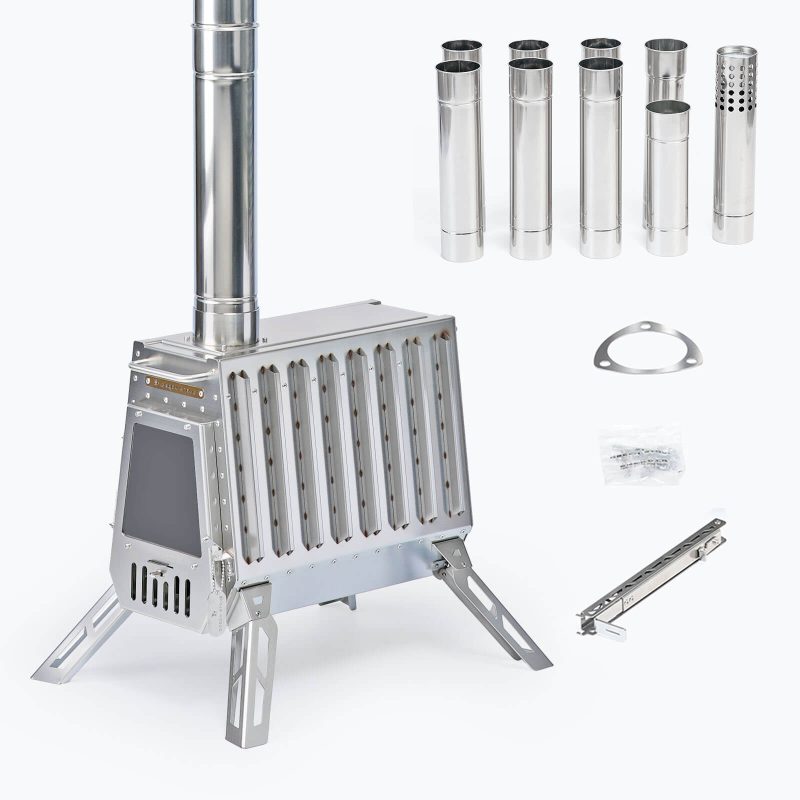
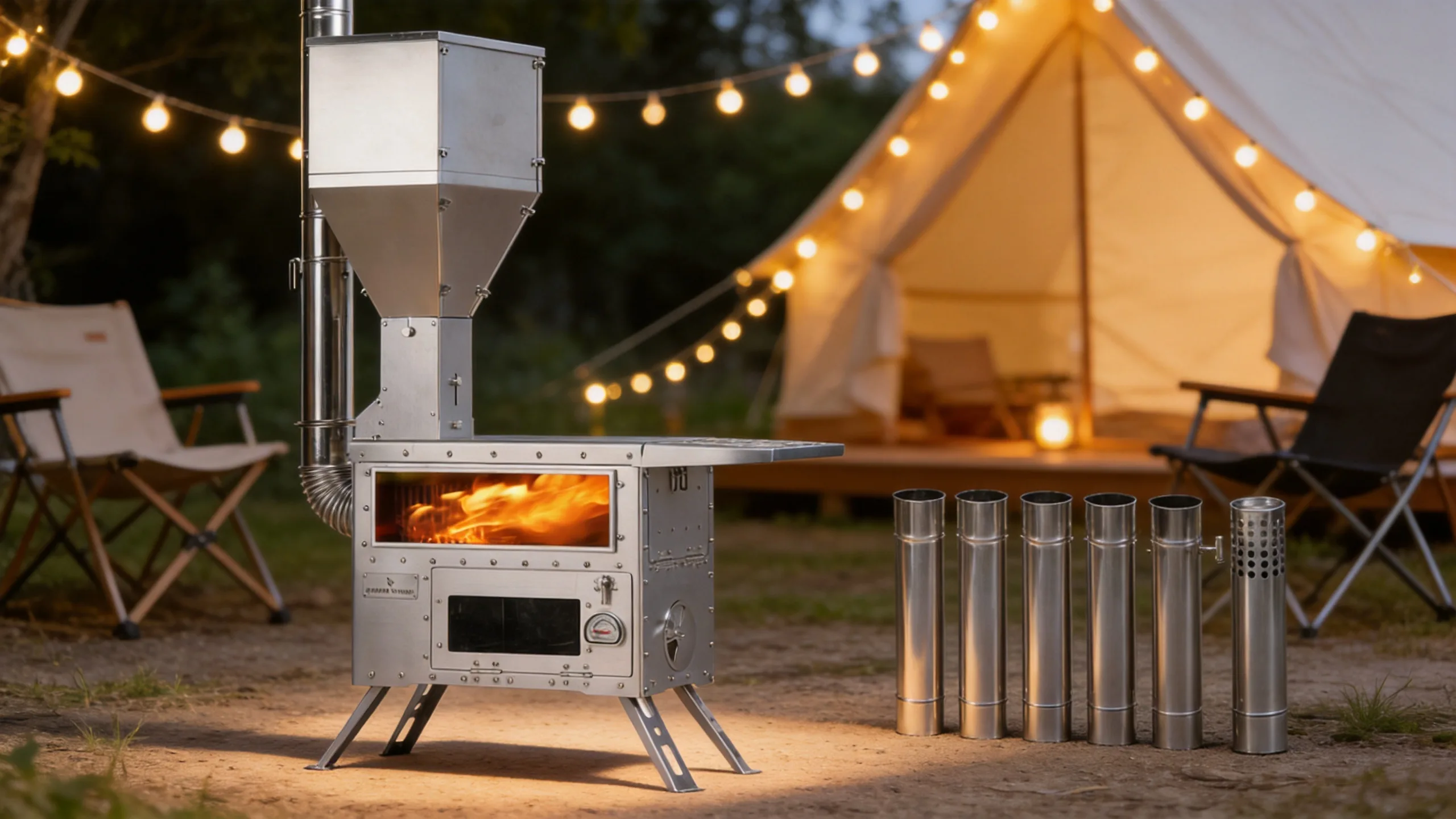
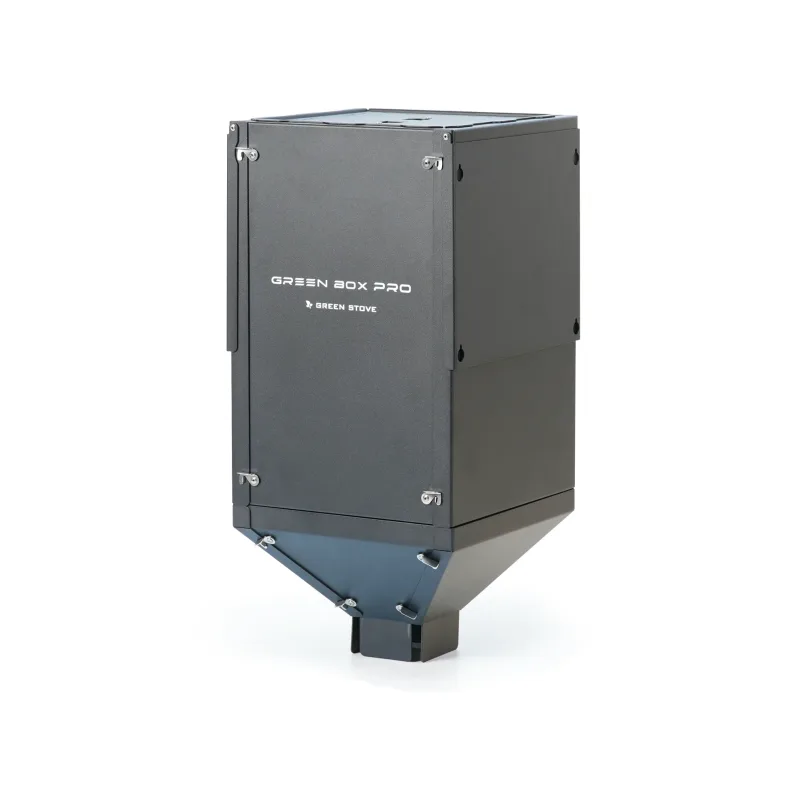
If you’re looking for a reliable pellet tent stove, the Green Stove Hori 5 and Hori 5 Max are designed to burn standard 6mm pellets efficiently. They feature a hopper that feeds pellets consistently, reducing the need for constant attention. The Hori 5 Max offers a larger hopper and higher heat output, ideal for bigger tents or colder conditions. Both stoves are built with stainless steel and are easy to clean, making them a solid choice for multi-day trips. But regardless of the stove you use, the principles of pellet selection and storage remain the same.
Frequently Asked Questions
Can I use any wood pellets in a camping stove?
Most camping stoves require standard 6mm or 8mm pellets. Avoid pellets with binders or flavorings, as they can cause residue and poor burning.
How many pellets do I need for a weekend camping trip?
For two nights of moderate use (heating and cooking), plan for about 2–3 bags of 40 pounds each. It’s better to overestimate, especially in cold weather.
How do I keep pellets dry on a multi-day trip?
Store them in airtight containers like plastic bins or dry bags. Keep them off the ground and inside your tent or vehicle to avoid condensation.
Can I burn other biomass like twigs or pinecones?
Yes, some stoves are designed to burn found biomass, but pellets give more consistent heat and are easier to control. If you use twigs, ensure they are dry and cut to size.
What’s the difference between hardwood and softwood pellets?
Hardwood pellets burn hotter with less ash, while softwood pellets light faster and produce more creosote. For camping, hardwood or a blend is usually preferred.
FAQ
Can I use any wood pellets in a camping stove?
Most camping stoves require standard 6mm or 8mm pellets. Avoid pellets with binders or flavorings, as they can cause residue and poor burning.
How many pellets do I need for a weekend camping trip?
For two nights of moderate use (heating and cooking), plan for about 2–3 bags of 40 pounds each. It’s better to overestimate, especially in cold weather.
How do I keep pellets dry on a multi-day trip?
Store them in airtight containers like plastic bins or dry bags. Keep them off the ground and inside your tent or vehicle to avoid condensation.
Can I burn other biomass like twigs or pinecones?
Yes, some stoves are designed to burn found biomass, but pellets give more consistent heat and are easier to control. If you use twigs, ensure they are dry and cut to size.
What’s the difference between hardwood and softwood pellets?
Hardwood pellets burn hotter with less ash, while softwood pellets light faster and produce more creosote. For camping, hardwood or a blend is usually preferred.
![Hori 5 Max Pellet Hot Tent Stove with Oven [Classic Control Version]](https://green-stove.com/wp-content/uploads/2025/10/hori5maxgreenstove002-800x800.webp)
![Hori 5 Max Pellet Hot Tent Stove with Oven [EASY OPERATION VERSION]](https://green-stove.com/wp-content/uploads/2026/09/61b6a5hzqRL._AC_SL1500_-800x800.webp)
![GREEN STOVE Hori 5 All-In-One Gravity Fed Pellet Wood Burning Hot Tent Stove [Classic Control Version]](https://green-stove.com/wp-content/uploads/2025/06/Green-Stove-Hori-5-Pellet-Stove-800x800.webp)