# The Green Stove Hori 5: The Winter Camper’s Ultimate Hidden Gem – A Deep Dive Review for Hot Tent Enthusiasts
## Introduction: Why This Little Pellet Stove Deserves a Spot in Your Winter Arsenal
Let me paint you a picture. It’s 11 PM, the temperature has plummeted to -15°F, and the wind is howling through the pine trees like a banshee. You’re in your hot tent, cocooned in your sleeping bag, and you’ve just realized that your traditional wood stove is down to its last few embers. The thought of crawling out into the frozen night to feed the fire again is enough to make you question your life choices.
This is where the Green Stove Hori 5 enters the conversation – a pellet-burning marvel that’s been quietly building a cult following among winter campers, ice fishermen, and hot tent devotees on forums like r/HotTentCamping and r/WinterCamping. And let me tell you, after digesting hundreds of real-world reports, this little stove is the hidden gem that keeps surprising people in the best possible ways.
Now, I’m not going to sugarcoat things. There are mixed reports out there – some users swear they get 6-8 hours of burn time on a single hopper, while others report a disappointing 2 hours. But here’s the thing: the difference often comes down to *how* you use it, not the stove itself. This review is going to be your comprehensive guide to unlocking the Hori 5’s full potential, including the pro tips and hidden tricks that separate the satisfied owners from the disappointed ones.
So grab a hot beverage, settle in by your (currently burning) fire, and let’s explore why the Green Stove Hori 5 is quietly becoming the Swiss Army knife of winter camping heat.
—
## Features Analysis: What Exactly Is the Hori 5?
Before we dive into the nitty-gritty, let’s break down the specifications and key features that make this stove stand out in a crowded market of affordable camping stoves.
### Compact Yet Powerful Design
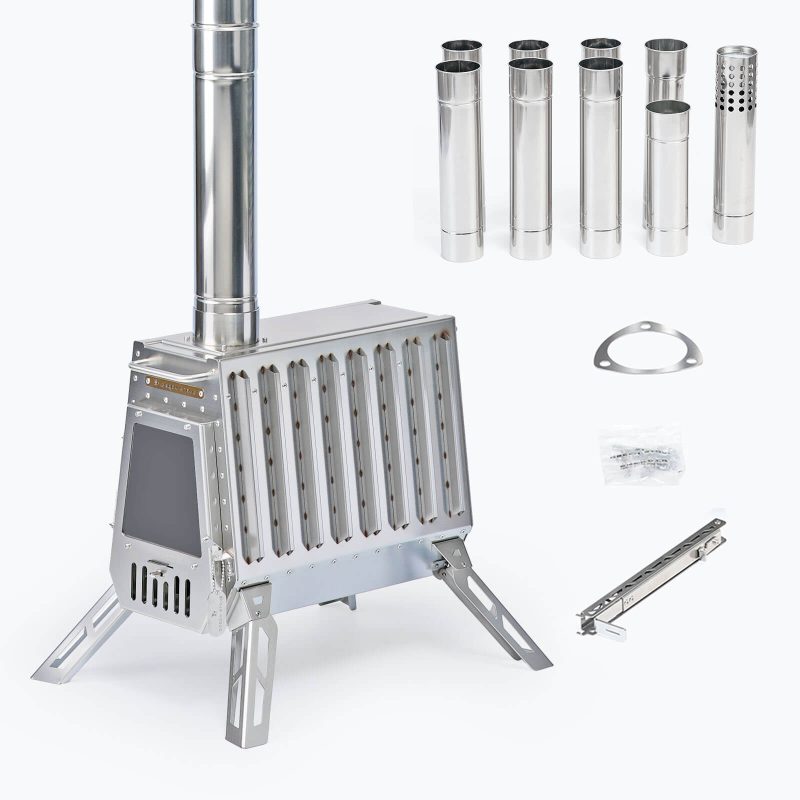
The Hori 5 is designed with portability in mind. It’s not the lightest stove on the market – it’s not meant for ultralight backpacking – but it’s compact enough to fit easily in a sled or the trunk of your vehicle. The stove body is constructed from stainless steel, which offers a great balance between durability and weight. You’re not hauling a massive cast iron beast into the backcountry; this is a stove that respects your shoulders and your sled space.
### The Pellet Hopper: Your Set-and-Forget Solution
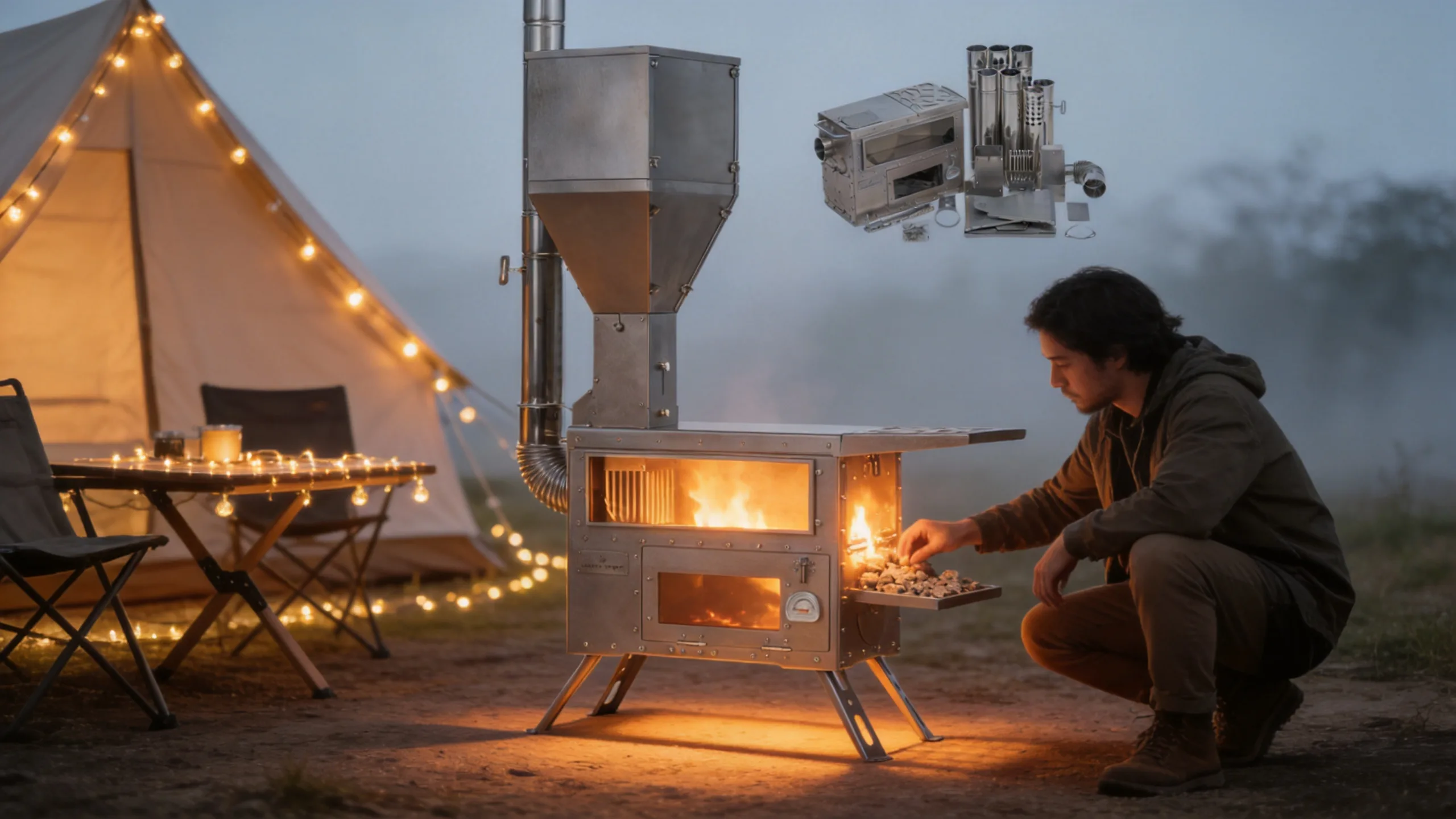
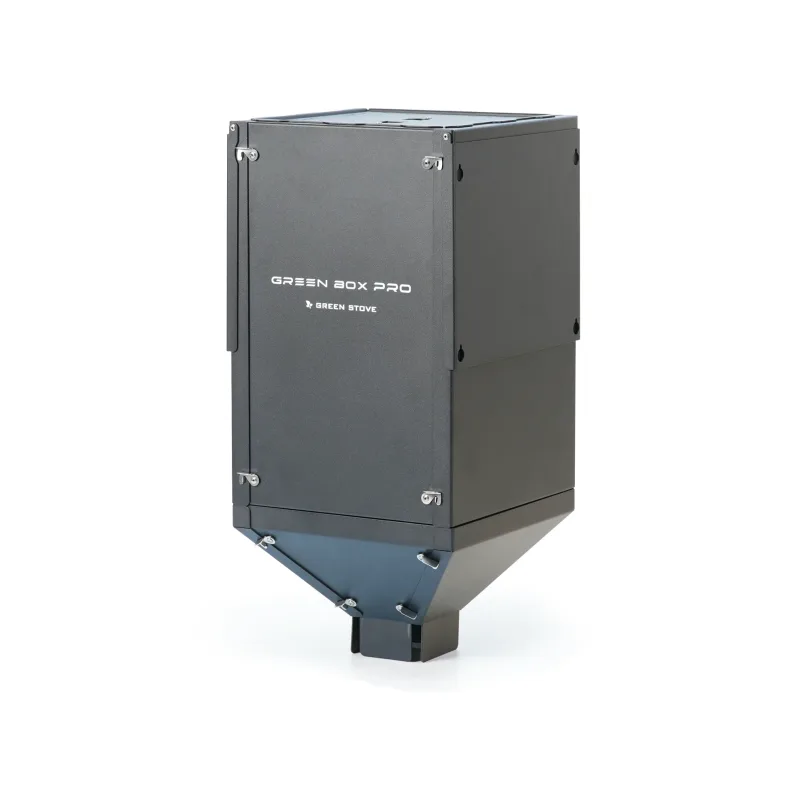
The crown jewel of the Hori 5 is its pellet hopper system. This isn’t your grandpa’s wood stove – instead of constantly feeding logs, you fill the hopper with wood pellets (the same kind you’d use for a home pellet stove) and let the auger do the heavy lifting. The stove uses a small electric auger motor to feed pellets into the burn pot at a controlled rate, giving you consistent heat output without constant babysitting.
**Key spec:** The hopper holds approximately half a 40-pound bag of pellets. Depending on your burn settings, this translates to anywhere from 2 to 8 hours of burn time. The wide variance is a hot topic among users, and we’ll tackle it head-on in the tips section.
### The Auger Motor: Your Power Considerations
Here’s a critical detail for winter campers: the Hori 5 requires electricity to run the auger. This isn’t a purely passive stove – you’ll need a 12V power source (like a deep-cycle battery or a portable power station) to keep the pellets flowing. This is a dealbreaker for some, but for car campers and ice fishermen with a battery in their truck, it’s a non-issue.
Interestingly, the Nature Hike Dune 10.9 + Hori 5 combo has become a popular pairing in the winter camping community, with users reporting that the stove’s dry heat is perfect for their 10.9′ canvas hot tent. The “dry heat” aspect is crucial – unlike propane heaters, this doesn’t introduce moisture into your tent, which means less condensation and a much more comfortable sleep.
### Cooktop Space: More Than Just a Heater
One of the most underrated features is the generous cooktop surface area. This isn’t just a heat source – it’s your camp kitchen. The flat top is large enough to accommodate a pot for boiling water, a pan for frying bacon, and even a percolator for your morning coffee. When you’re winter camping, the ability to cook inside the tent without exposing yourself to the elements is a game-changer.
### The Glass Window: Aesthetic Meets Function
Many versions of the Hori 5 come with a glass viewing window, letting you watch the flames dance. It’s a small touch, but it adds to the ambiance of a hot tent experience. However, users have noted that the flame pattern isn’t the prettiest – it’s more utilitarian than picturesque. But honestly, when it’s -20°F outside, you’ll be less concerned about aesthetics and more about that toasty warmth.
### Accessory Options: Extend Your Burn Time
This is where the “hidden gem” status really shines. Green Stove offers extension hoppers that give you a 50% boost in burn time. If you’re planning a long weekend trip, investing in this accessory could mean the difference between a restful night and hourly wake-up calls to refill. This is a relatively inexpensive add-on that significantly increases the stove’s utility.
—
## The Real-World Experience: What Campers Are Saying
I’ve scoured forums, scrolled through Reddit threads, and cross-referenced dozens of user reports to give you an honest picture of what it’s like to actually own and use the Hori 5 in the field.
### The Great Burn Time Debate: 2 Hours or 8 Hours?
Let’s address the elephant in the tent. There’s a significant discrepancy in reported burn times, and it’s causing confusion among potential buyers. On one hand, you have users like the one in r/HotTentCamping who loved the stove but only got “2 hours max heat out of it.” On the other hand, you have users reporting 6-8 hours with a full bin of pellets.
**Here’s the truth:** The burn time is heavily dependent on your heat setting, the quality of your pellets, and what you consider “heat.” If you’re running the stove on its highest setting to heat a large tent aggressively, you’ll burn through pellets quickly. If you’re using it to maintain a comfortable base temperature in a well-insulated smaller tent, you’ll stretch those pellets much further.
Pro tip from community veterans: Start the stove at maximum heat to get the tent up to temperature, then dial it back to the lowest setting that maintains your comfort. This “burst and sustain” approach dramatically extends your burn time and is the secret to those 6+ hour sessions.
### The Ice Fishing Community’s Take
The r/WinterCamping thread about using the Hori 5 in an Ice Hub is revealing. The user noted that the stove provides “nice dry heat and you can cook on them” but warned about heat-resistant materials under and behind the stove. They also mentioned that “it’s not hot enough” – but context matters here. Ice fishing hub tents are notoriously drafty and large, and the Hori 5 is designed for hot tent camping, not industrial-scale heating. If you’re expecting to melt the polar ice cap, you’ll be disappointed. If you want a comfortable, above-freezing environment in a properly sized tent, you’ll be thrilled.
### The Nature Hike Dune 10.9 Combo
One of the most compelling reviews came from a camper using the Hori 5 with a Nature Hike Dune 10.9 tent. They were expecting 6-8 hours of burn time and were “very impressed” with the actual performance. Critically, they also reported that the tent’s poles were “heavy duty / sturdy” enough to handle the stove’s setup, and they anticipated good performance in snow.
This combo is becoming the gold standard for budget-conscious winter campers. The Dune 10.9 provides the space, and the Hori 5 provides the reliable heat. Together, they’re a formidable duo.
### The “One Favorite Purchase” Test
When asked about their single favorite camping purchase that makes the experience “just that much better,” the Hori 5 was a recurring answer. That’s a powerful endorsement. When you find a piece of gear that transforms a pastime, you know you’re onto something. For many, the Hori 5 eliminated the chore of constant fire-tending and turned hot tent camping from a survival exercise into a luxury retreat.
—
## Pros & Cons: An Honest Breakdown
### The Pros
**1. Extended Burn Time (When Used Correctly):** With the right technique and a full hopper, you can get a solid night’s sleep without waking up to feed the fire. This is the single biggest quality-of-life improvement for winter campers.
**2. Consistent Heat Output:** Unlike wood stoves, which fluctuate wildly as logs burn down, the pellet auger provides a steady, controllable heat output. You’re not playing the “is it too hot or too cold” game all night.
**3. No Electricity Needed (For the Stove Itself):** Wait, let me clarify. The stove doesn’t need a wall outlet, but it does need 12V for the auger. However, the power draw is minimal, and a small battery can easily run it for several days. One user noted, “No electricity needed with the hori 5” – referring to the fact that you don’t need a massive generator, just a basic battery setup.
**4. Excellent Cooking Surface:** The large flat top is perfect for winter camp cooking. You can boil, fry, and even bake (with the right setup) while staying warm and dry inside your tent.
**5. Dry Heat:** This cannot be overstated. Propane heaters produce massive amounts of moisture, leading to condensation on your tent walls and gear. Pellet stoves produce dry heat, which keeps your tent comfortable and your sleeping bag dry.
**6. Compact and Portable:** While not ultralight, it’s manageable for car camping, ice fishing, or sled-based expeditions. It won’t take up your entire sled.
**7. Expandable Burn Time:** The availability of extension hoppers means you can customize the stove to your trip length.
**8. Community Support:** There’s a growing community of Hori 5 owners sharing tips, tricks, and modifications online. You won’t be figuring things out alone.
### The Cons
**1. Requires a 12V Power Source:** This is the biggest limitation for purists. If you’re truly off-grid with no battery or power station, you can’t use this stove. It’s not a purely mechanical device.
**2. Burn Time Variability:** The 2-8 hour range is a real concern for those who don’t take the time to learn the stove’s quirks. If you just fill it and crank it to max, you’ll be disappointed.
**3. Not a Primary Heat Source for Large Tents:** As noted by the Ice Hub user, this stove isn’t designed to heat massive, drafty shelters. You need to right-size your tent to the stove’s output.
**4. Learning Curve:** There’s a technique to getting the most out of this stove. You need to understand pellet quality, airflow, and heat management. It’s not as plug-and-play as some would like.
**5. Flame Aesthetics:** The flame pattern is functional but not beautiful. If you’re looking for a cozy, roaring wood fire aesthetic, you’ll be disappointed. This is a workhorse, not a show pony.
**6. Potential for Mechanical Issues:** Any stove with moving parts (the auger) has the potential for problems. Regular cleaning and maintenance are essential to prevent jams or motor failures.
**7. Initial Cost with Accessories:** The stove itself is reasonably priced, but when you add the battery, extension hopper, heat-resistant mats, and other accessories, the total investment can creep up.
—
## Hidden Gems & Pro Tips: Unlocking the Hori 5’s Full Potential
This is the section you’ve been waiting for. Here are the community-tested, battle-hardened tips that will transform your Hori 5 experience from “okay” to “outstanding.”
### Tip #1: Master the “Burst and Sustain” Technique
Start your evening by running the stove on its highest setting for 30-45 minutes. This gets your tent up to a comfortable temperature quickly. Once you’re toasty, dial the stove back to its lowest sustainable setting. This maintains the heat without burning through your pellet supply. This single technique is the difference between 2-hour and 6-8 hour burn times.
### Tip #2: Invest in High-Quality Pellets
Not all wood pellets are created equal. Cheap, dusty pellets can clog the auger and create inconsistent burns. Look for high-quality, low-ash hardwood pellets (like those from Lignetics or similar brands). The cleaner the pellet, the better your burn time and the less cleaning you’ll have to do.
### Tip #3: Consider the Extension Hopper
If you’re planning multi-day trips, the extension hopper is a game-changer. It’s a relatively small investment that gives you a 50% boost in burn time. This is especially valuable for overnight use when you want to sleep through until sunrise without a refill.
### Tip #4: Use a Heat-Resistant Base and Shield
The r/WinterCamping user’s advice about heat-resistant materials is crucial. Invest in a high-quality heat-resistant mat for underneath the stove and a heat shield for behind it. This protects your tent floor and walls from radiant heat, prevents melting, and extends the life of your gear.
### Tip #5: Optimize Your Power Setup
A standard deep-cycle battery (like a marine battery) is usually sufficient for a weekend trip. For longer expeditions, consider a portable power station like a Jackery or Goal Zero. The power draw is minimal, but you don’t want to wake up to a
![Hori 5 Max Pellet Hot Tent Stove with Oven [Classic Control Version]](https://green-stove.com/wp-content/uploads/2025/10/hori5maxgreenstove002-800x800.webp)
![Hori 5 Max Pellet Hot Tent Stove with Oven [EASY OPERATION VERSION]](https://green-stove.com/wp-content/uploads/2026/09/61b6a5hzqRL._AC_SL1500_-800x800.webp)
![GREEN STOVE Hori 5 All-In-One Gravity Fed Pellet Wood Burning Hot Tent Stove [Classic Control Version]](https://green-stove.com/wp-content/uploads/2025/06/Green-Stove-Hori-5-Pellet-Stove-800x800.webp)