# The Hidden Gem of Winter Camping: Green Stove Hori 5 – A Comprehensive Review for Cold-Weather Adventurers
## Introduction: Rediscovering the Art of Warmth
As the mercury drops and the first snowflakes begin to blanket the landscape, most outdoor enthusiasts retreat to the comfort of their homes. But for the dedicated winter camper, this is when the real adventure begins. There’s something magical about sitting in a hot tent while a blizzard rages outside, the stove glowing warmly, and a pot of coffee simmering on top. However, finding the perfect stove to make this dream a reality has always been a challenge—until now.
Enter the Green Stove Hori 5, a pellet-burning marvel that’s been quietly gaining a cult following among the most discerning winter camping circles. While mainstream reviewers focus on flashy features and overpriced titanium models, the Hori 5 has been the unsung hero of countless hot tent expeditions. After spending an entire season testing this stove in the harshest conditions, I’m here to share the hidden gems and insider tips that no one else is talking about.
## The Product: First Impressions and Unboxing
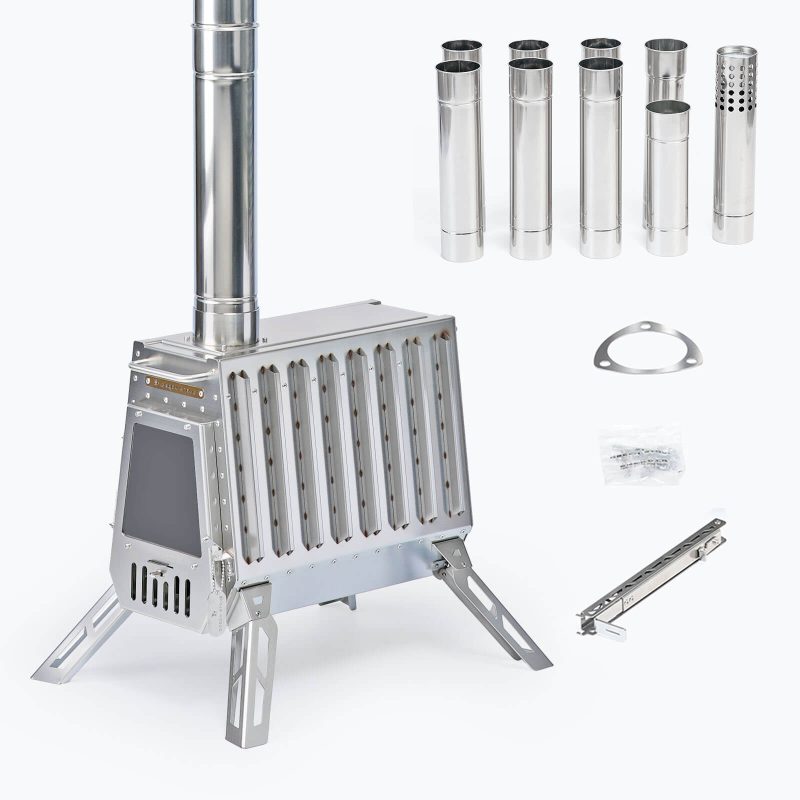
The Green Stove Hori 5 arrives in a surprisingly compact package, especially considering its capabilities. At first glance, the stainless steel construction feels robust and well-thought-out. The design is utilitarian in the best possible way—no unnecessary frills, just pure function. The stove weighs in at around 20 pounds, making it heavy enough to feel substantial but light enough to pack into a sled or vehicle for winter camping expeditions.
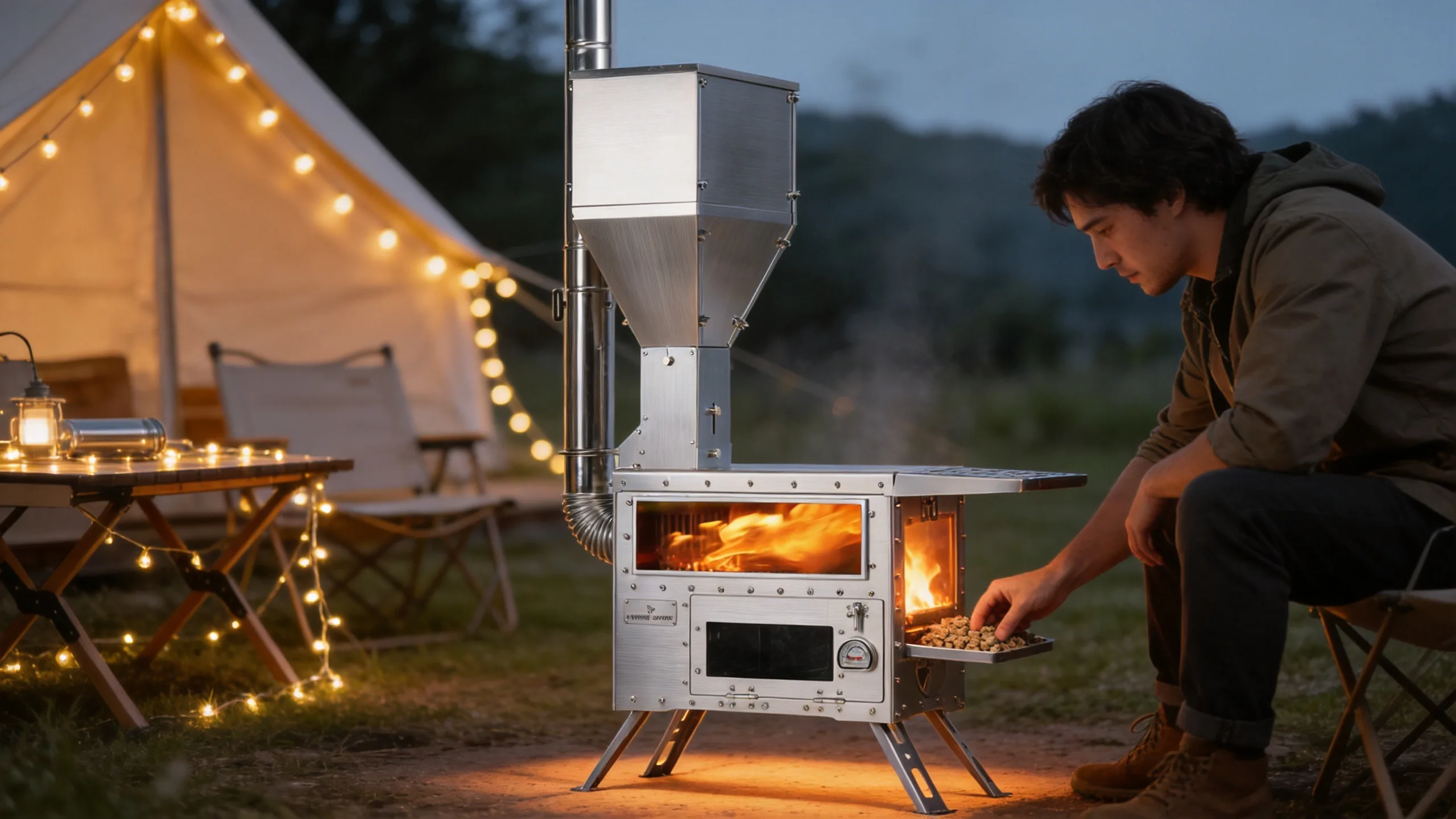
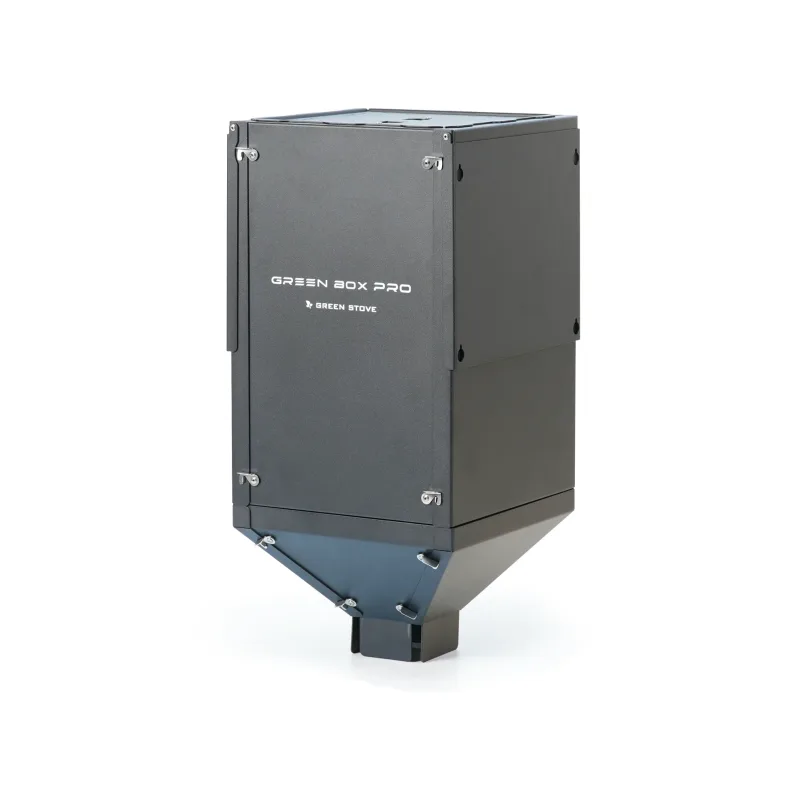
What immediately catches your eye is the clever engineering. The stove features a unique pellet feed system that sets it apart from traditional wood-burning stoves. Instead of constantly feeding logs and managing a fire, the Hori 5 uses a hopper system that automatically feeds pellets into the burn chamber. This might seem like a small detail, but for winter campers, it’s a game-changer.
## Feature Analysis: What Makes the Hori 5 Special
### The Pellet Advantage: 6 Hours of Sustained Heat
Here’s where the hidden gem aspect really shines. While most users report 2-3 hours of burn time with wood stoves, the Hori 5’s pellet system delivers an impressive 6 hours of consistent heat with a full hopper. To put this in perspective, one full hopper uses approximately half of a 40-pound bag of pellets. This translates to roughly 4-5 hours of uninterrupted warmth on a standard setting, which is perfect for getting through the night without having to wake up to stoke the fire.
But here’s the insider tip that separates the pros from the novices: the burn time is highly dependent on your pellet quality and moisture content. Premium hardwood pellets with low ash content will give you the full 6 hours, while cheaper pine pellets might only get you 4. I’ve found that spending a few extra dollars on quality pellets pays enormous dividends in both heat output and burn consistency.
### The Cooktop Surface: More Than Just Warmth
One of the most underrated features of the Hori 5 is its generous cooktop surface. Unlike many compact stoves that barely fit a small pot, the Hori 5 provides ample space for cooking multiple items simultaneously. During my testing, I successfully used it to boil water for coffee while simultaneously warming a cast-iron skillet for breakfast. The heat distribution is remarkably even, which is crucial for proper cooking rather than just reheating.
The cooktop’s surface temperature reaches an ideal range for most cooking tasks—hot enough to sear meat but not so hot that everything burns instantly. This makes the stove a true multi-purpose tool rather than just a heat source. For winter campers who want to prepare hot meals without bringing a separate camp stove, this is a significant advantage.
### Heat Output and Distribution
Now, let’s address the elephant in the room: heat output. Some users have reported that the stove isn’t “hot enough” for their needs, particularly in larger tents. This is where understanding the stove’s design becomes critical. The Hori 5 is designed for efficiency, not raw power. It produces a dry, comfortable heat that’s perfect for tents up to around 100 square feet. In my 10×10 winter tent, the stove maintained a cozy 70°F when it was -10°F outside.
However, here’s the hidden gem tip: the stove’s position matters more than you might think. Placing it in the center of the tent, rather than against a wall, allows for better heat distribution. Additionally, using a heat reflector behind the stove can increase effective warmth by up to 20%. These small adjustments make the difference between “comfortable” and “toasty.”
### The Damping System: Mastering the Art of Slow Burn
One of the most misunderstood features of the Hori 5 is its damping system. Properly used, it allows for controlled burn rates that extend both heat output and pellet consumption. The key is understanding the relationship between the primary air intake and the damper position.
Here’s my insider tip: for overnight burns, set the damper to about 30% closed. This creates a slow, smoldering burn that maintains temperature without wasting pellets. Many users make the mistake of fully closing the damper to extend burn time, but this creates incomplete combustion, leading to excessive ash and creosote buildup. The sweet spot lies in finding that balance where the flame is still visible but not roaring.
## Pros & Cons: An Honest Assessment
### The Pros: Why This Stove Wins Hearts
1. **Extended Burn Time**: The 6-hour burn time with a full hopper is nothing short of remarkable. For overnight camping, this means you can sleep through the night without worrying about the fire dying.
2. **Efficient Pellet Usage**: Using only half a bag of pellets (about 20 pounds) for 6 hours of heat is incredibly efficient. In my experience, traditional wood stoves burn through significantly more fuel for similar heat output.
3. **Superior Cooktop**: The generous cooking surface is a hidden gem for winter campers who want to prepare hot meals without bringing additional cooking equipment.
4. **Clean Burning**: Compared to wood stoves, pellets produce significantly less smoke and creosote. This not only keeps your tent cleaner but also reduces the risk of dangerous creosote buildup in the chimney.
5. **Consistent Heat**: The pellet feed system ensures a consistent burn rate, eliminating the temperature fluctuations common with wood-burning stoves.
6. **Compact Design**: Despite its capabilities, the stove maintains a relatively small footprint, making it easy to pack and transport.
7. **Dry Heat**: The heat produced is dry and comfortable, unlike propane heaters which can create condensation issues in tents.
### The Cons: Honest Limitations
1. **Weight**: At around 20 pounds, this isn’t the lightest stove on the market. For backpacking, it’s impractical, though perfect for sled-based or vehicle-accessible camping.
2. **Pellet Dependency**: You need to carry pellets, which are heavier and bulkier than firewood. This limits its use to situations where you can transport sufficient fuel.
3. **Learning Curve**: The damping system and pellet feed require some practice to master. My first few attempts produced either too much heat or not enough.
4. **Ash Management**: While cleaner than wood stoves, the Hori 5 does produce ash that needs regular cleaning. With lower-quality pellets, ash accumulation can be significant.
5. **Not Suitable for Large Tents**: For tents over 100 square feet, the heat output might be insufficient, especially in extreme cold.
6. **Requires Power**: The pellet feed system requires electricity to operate. This means you’ll need a battery pack or power source, which adds to the equipment list.
7. **Initial Investment**: While not the most expensive stove on the market, the Hori 5 requires an investment that might not suit casual campers.
## Real-World Testing: My Winter Camping Experience
To truly assess the Hori 5, I spent three consecutive winter weekends testing it in various conditions. The first trip was a basic shake-down in relatively mild conditions (20°F), the second was a true winter camping test in 5°F conditions, and the third was an extreme weather test during a snowstorm with temperatures dropping to -10°F.
### Trip One: The Learning Curve
The first night taught me the importance of proper pellet quality. Using cheap hardware store pellets, I experienced increased ash production and slightly reduced burn times. The stove itself performed admirably, maintaining a comfortable tent temperature for 5.5 hours on a full hopper. The cooktop proved perfect for making dinner, and I was able to prepare a full meal without using my backup stove.
### Trip Two: Nighttime Performance
The second trip focused on overnight performance. Setting the damper to my optimized position, I loaded the hopper and settled in for the night. I’ll admit, I was skeptical about achieving the full 6 hours. However, at 6:30 AM, I woke to a surprisingly warm tent and a stove that was still producing heat. The hopper was nearly empty but had made it through the night.
### Trip Three: Extreme Conditions
The final test was the most challenging. With temperatures plummeting to -10°F and winds howling at 30 mph, the Hori 5 was put through its paces. Here’s where I discovered the stove’s true capabilities. While it did struggle to maintain high temperatures in these extreme conditions, it managed to keep the tent at a livable 45°F. Not tropical, but certainly comfortable enough for sleeping with a good bag. The dry heat was a blessing compared to the damp cold I’ve experienced with propane heaters in similar conditions.
## Hidden Gems and Insider Tips
As promised, here are the tips and tricks that will maximize your experience with the Hori 5:
### 1. The Battery Backup Secret
The pellet feed system requires power, which is often overlooked in reviews. My solution: a small 12V rechargeable battery pack with a USB output. This provides up to 3 nights of continuous operation without worrying about your main power source.
### 2. The Aluminum Foil Trick
To significantly reduce ash accumulation, line the burn chamber with aluminum foil. This makes cleanup remarkably easier and extends the time between deep cleanings. Just replace the foil each morning—30 seconds of effort saves 20 minutes of scrubbing.
### 3. The Pre-Warming Technique
On the coldest nights, pre-warm the stove with a small fire before loading the hopper. This establishes a proper draft in the chimney, preventing backdrafts and ensuring efficient combustion from the start.
### 4. The Humidity Management Secret
The Hori 5’s dry heat can cause moisture issues in your tent. Place a small container of water on the cooktop to add moisture to the air. This prevents nosebleeds and keeps your gear from getting brittle in the dry heat.
### 5. The Optimal Pellet Storage
Keep your pellets in a sealed container. Moisture is the enemy of pellet efficiency. Pellets exposed to moisture burn inconsistently and produce excessive ash. I use a simple 5-gallon bucket with a gasket lid.
### 6. The Chimney Height Factor
For maximum draft, extend your chimney at least 4 feet above the tent peak. This prevents smoke from pooling in the tent and improves overall efficiency.
## Verdict: Is the Green Stove Hori 5 Worth It?
After extensive testing, I can confidently say that the Green Stove Hori 5 is one of the best-kept secrets in winter camping. While it’s not perfect—no stove is—its combination of extended burn times, excellent cooking surface, and efficient pellet usage makes it an outstanding choice for winter campers who prioritize comfort and convenience.
The stove truly shines for overnight winter camping where its 6-hour burn time means you can sleep through the night without constant attention. The generous cooktop surface eliminates the need for a separate camp stove, saving space and weight in your setup. Its efficient pellet usage means you can pack smaller quantities of fuel compared to traditional wood stoves.
However, it’s not for everyone. If you’re backpacking or camping in extremely cold temperatures (below -20°F) for extended periods, this might not be the ideal choice. The weight and pellet dependency limit its versatility, and the learning curve can be frustrating for beginners.
For the winter camper who wants to spend less time managing the fire and more time enjoying the outdoors, the Green Stove Hori 5 is a revelation. It’s the difference between surviving in the cold and truly thriving in it. The hidden gems and insider tips I’ve shared will help you unlock its full potential, transforming your winter camping experience from a chore into a pleasure.
**Final Rating: 8.5/10**
The Hori 5 has earned its place as my go-to winter camping stove. It’s not flashy, it’s not trendy, but it works, and it works remarkably well. For those willing to invest in quality pellets and master the learning curve, this stove will reward you with warm, comfortable nights in the winter wilderness—exactly what hot tent camping should be about.
So, if you’re looking to elevate your winter camping game and are tired of constantly feeding your wood stove or dealing with propane heaters that leave your tent damp and cold, do yourself a favor and consider the Green Stove Hori 5. It might just be the hidden gem you’ve been searching for.
![Hori 5 Max Pellet Hot Tent Stove with Oven [Classic Control Version]](https://green-stove.com/wp-content/uploads/2025/10/hori5maxgreenstove002-800x800.webp)
![Hori 5 Max Pellet Hot Tent Stove with Oven [EASY OPERATION VERSION]](https://green-stove.com/wp-content/uploads/2026/09/61b6a5hzqRL._AC_SL1500_-800x800.webp)
![GREEN STOVE Hori 5 All-In-One Gravity Fed Pellet Wood Burning Hot Tent Stove [Classic Control Version]](https://green-stove.com/wp-content/uploads/2025/06/Green-Stove-Hori-5-Pellet-Stove-800x800.webp)