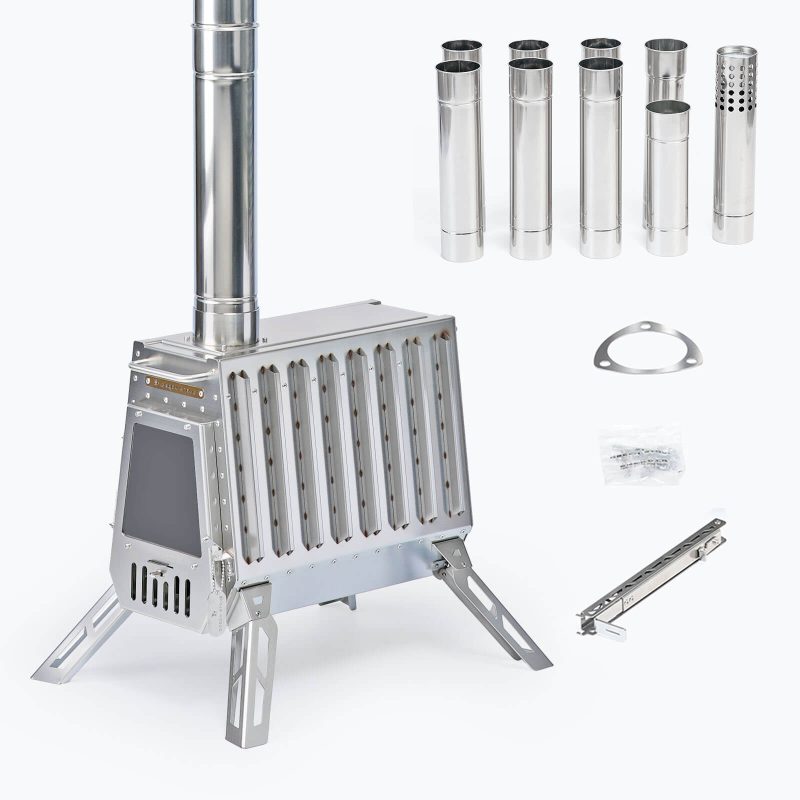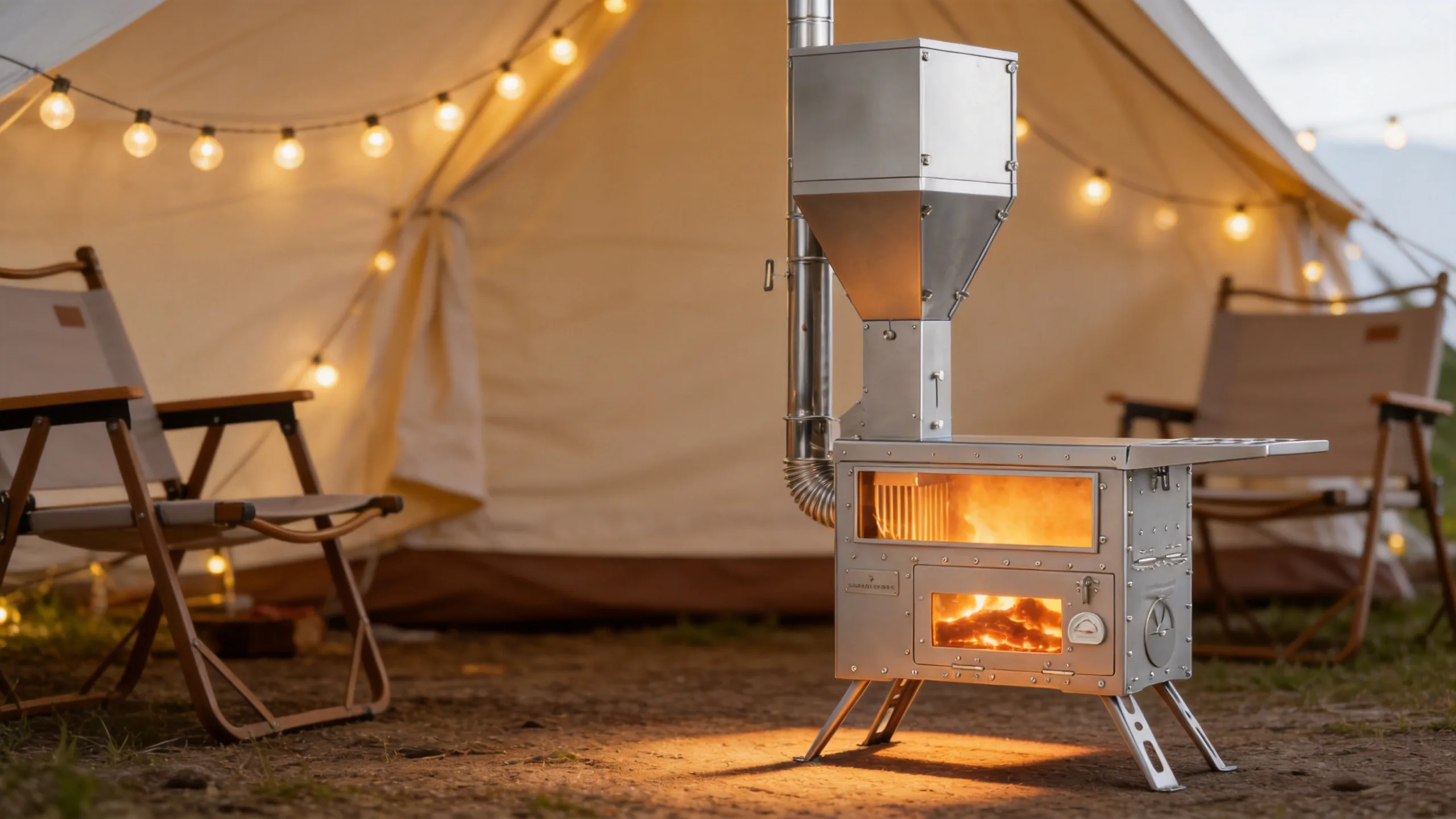
Why Smoke Comes Back Into Your Tent
You light your tent stove, expecting a cozy warm-up, but instead smoke curls out of the door and fills your shelter. It’s frustrating, and more importantly, it’s a sign that your stove isn’t drafting properly. Understanding the causes is the first step to fixing it—and preventing a dangerous buildup of carbon monoxide.
Smoke backdraft happens when the chimney fails to pull combustion gases up and out. Instead, the smoke finds the path of least resistance: into your living space. This can occur at startup, when adding fuel, or even mid-burn. Let’s break down the common culprits.
The Big Three: Back-Smoke, Draft, and Chimney Height
1. Cold Chimney, Weak Draft
When your stove and chimney are cold, the air inside is dense and heavy. It doesn’t want to rise. Until the chimney warms up, there’s little to no draft—sometimes even a reverse flow. If you open the stove door during this phase, smoke can spill into the tent. The fix? Warm the chimney before you light the fire. Use a heat gun, a propane torch, or a rolled-up piece of burning paper held near the flue. Once you feel warm air rising, you’re ready to light the stove.
2. Chimney Height and Termination
Draft depends on the height difference between the stove and the chimney exit, as well as how the chimney terminates. Too short, and you won’t get enough pull. Too long, and the weight of the gases may overcome the draft (especially in small stoves). As a rule of thumb, the chimney should extend at least 3–5 feet above the stove, and the top should be clear of obstructions—trees, tent walls, or snow banks. A cap can help keep rain and snow out, but some caps restrict flow; if you’re struggling with draft, try removing the cap temporarily.
Also consider the surrounding terrain. If your tent is in a hollow or surrounded by tall trees, wind eddies can create positive pressure outside the chimney, forcing smoke back down. In such cases, adding an extra section of pipe might help, or you might need to relocate the stove or tent.
3. Back-Smoke: The Invisible Enemy
Back-smoke isn’t just the visible puff you see; it’s also the invisible carbon monoxide (CO) that can accumulate silently. CO is odorless and deadly. Any time smoke backs into the tent, assume CO is present. This is why proper draft isn’t just about comfort—it’s about survival. If you ever feel dizzy, nauseous, or notice a headache while using your stove, get outside immediately and ventilate the tent.
Troubleshooting Smoky Starts: A Step-by-Step Checklist
Before you strike a match, run through this checklist to minimize the chance of backdraft.
- Inspect and clean your chimney: Creosote buildup, especially at the stove jack, restricts flow. Brush it out regularly. A spark arrestor screen can clog quickly; clean it often or remove it if allowed.
- Pre-warm the flue: Use a heat source to warm the chimney for 30–60 seconds. You should feel a noticeable draft.
- Open a vent or door slightly: This equalizes pressure and gives smoke a place to go if it does spill. Close it once the fire is established.
- Use dry fuel: Wet or green wood creates more smoke and less heat, making it harder to establish draft. For pellet stoves, ensure pellets are dry and the burn pot is clean.
- Light from the top: A top-down burn reduces initial smoke. Place kindling on top of larger pieces and light it there.
- Don’t overload: Too much fuel smothers the fire and creates smoke. Add small amounts until the fire is burning hot.
- Check for leaks: A stove that isn’t airtight can allow smoke to escape into the tent. Ensure all joints are sealed and the door gasket is in good condition.
Gear Checklist for Smoke-Free Operation
Having the right tools makes troubleshooting easier. Here’s what to pack:
- Chimney brush and scraper
- Heat gun or propane torch for pre-warming
- Spare chimney sections (to adjust height)
- Chimney cap (removable)
- Carbon monoxide detector (battery-powered, for tents)
- Fire extinguisher or sand/water bucket
- Gloves and safety glasses
- Thermometer for stovepipe (to monitor creosote risk)
A CO detector is non-negotiable. Many winter campers use a small, portable CO alarm designed for tents or RVs. Test it before each trip.
Decision Rules: When to Fix, When to Bail
Not all situations are salvageable in the moment. Use these decision rules to stay safe.
- If smoke persists after pre-warming and checking height: Shut down the stove, ventilate the tent, and diagnose further. Don’t sleep with a smoldering, smoky fire.
- If you see black liquid dripping from the pipe: This is creosote condensation—a sign of poor combustion and a fire hazard. Extinguish the stove and clean the chimney thoroughly.
- If anyone experiences CO symptoms: Evacuate immediately, even if you don’t see smoke. CO can be present without visible signs.
- If wind is gusting and causing downdrafts: Consider moving the tent to a more sheltered location or adding a wind-resistant cap. If conditions are severe, it may be safer to use a different heating method or postpone the trip.
Pellet Stoves and Draft: Special Considerations
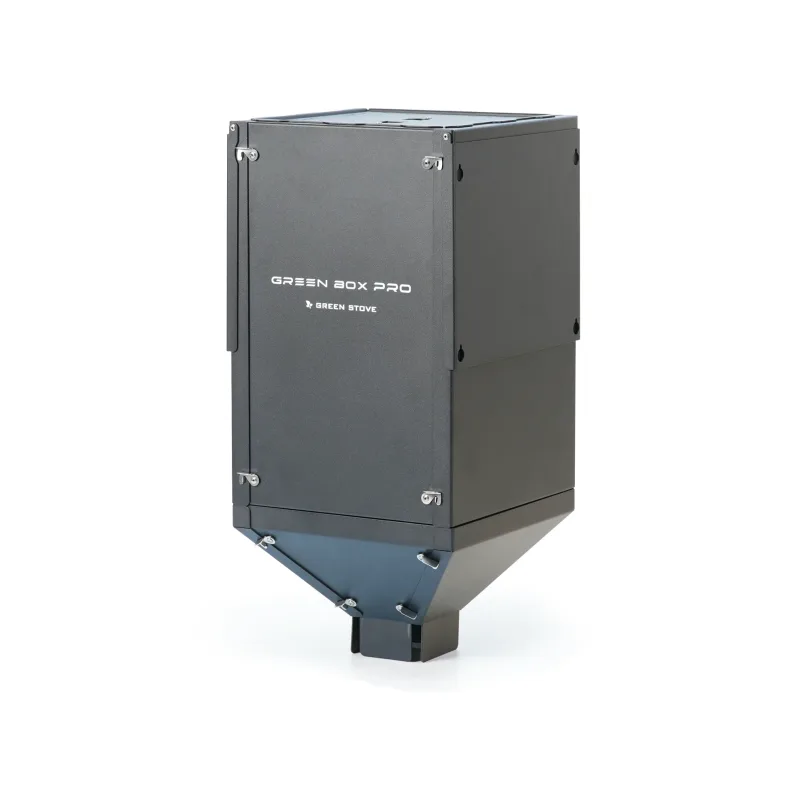
Pellet tent stoves, like the Green Stove Hori 5 and Hori 5 Max, offer convenience and consistent heat, but they still rely on proper draft. Pellet stoves typically have a fan-assisted draft, which can help maintain positive flow, but if the chimney is too short or clogged, smoke can still back up. Always follow the manufacturer’s chimney height recommendations. For the Hori 5, a minimum vertical rise is specified; the Hori 5 Max may require additional height due to higher output. Keep the burn pot clean and use high-quality pellets to reduce ash and creosote. Even with a fan, pre-warming the flue on a cold start can make a noticeable difference.
Prevention: Design and Setup Matters
An ounce of prevention is worth a pound of cure. When setting up your hot tent, think about draft from the start.
- Stove placement: Central placement allows for a straight vertical chimney, which drafts best. Avoid bends if possible.
- Chimney length: Follow the stove manufacturer’s guidelines, but be prepared to add a section if you’re at high altitude or in a windy spot.
- Stove jack: Ensure the flashing is tight and insulated. A leaky jack can let smoke into the tent and also affect draft.
- Ventilation: Even with a good draft, tents need some fresh air intake. A small vent near the floor helps maintain airflow and prevents negative pressure.
Final Thoughts
Smoke backing into your tent is a warning sign you should never ignore. By understanding the principles of draft, maintaining your chimney, and following safe operating procedures, you can enjoy a warm, smoke-free shelter. Always prioritize safety over comfort—if something feels off, shut it down and assess. With practice, you’ll learn to read your stove and respond to its needs, making your winter camping trips safer and more enjoyable.
FAQ
Why does my tent stove smoke back into the tent when I open the door?
Opening the door disrupts the delicate pressure balance. If the chimney isn’t drawing strongly (due to cold flue, insufficient height, or blockages), smoke will spill into the tent. Always ensure a strong draft before opening the door, and open it slowly.
How can I tell if my chimney has enough draft?
Hold a lit match or incense stick near the open stove door. If the smoke is pulled upward into the stove, you have draft. If it lingers or blows into the tent, you need to troubleshoot: pre-warm the flue, increase chimney height, or clean the pipe.
What is the ideal chimney height for a tent stove?
Most manufacturers recommend a minimum vertical rise of 3–5 feet above the stove, with the top extending well above the tent and any nearby obstructions. However, always follow your stove’s specific guidelines, as pellet stoves may have different requirements.
Can I use a carbon monoxide detector in a tent?
Yes, and you should. Choose a battery-powered CO detector designed for camping or RV use. Place it near sleeping areas, and test it before each trip. Never rely solely on your senses—CO is odorless and invisible.
What should I do if I see black liquid dripping from my stovepipe?
That’s creosote, a highly flammable byproduct of incomplete combustion. It indicates poor draft or burning wet wood. Extinguish the stove immediately, let it cool, and clean the entire chimney system. Inspect for any damage and ensure proper draft before relighting.
![Hori 5 Max Pellet Hot Tent Stove with Oven [EASY OPERATION VERSION]](https://green-stove.com/wp-content/uploads/2026/09/61b6a5hzqRL._AC_SL1500_-800x800.webp)
![Hori 5 Max Pellet Hot Tent Stove with Oven [Classic Control Version]](https://green-stove.com/wp-content/uploads/2025/10/hori5maxgreenstove002-800x800.webp)
![GREEN STOVE Hori 5 All-In-One Gravity Fed Pellet Wood Burning Hot Tent Stove [Classic Control Version]](https://green-stove.com/wp-content/uploads/2025/06/Green-Stove-Hori-5-Pellet-Stove-800x800.webp)