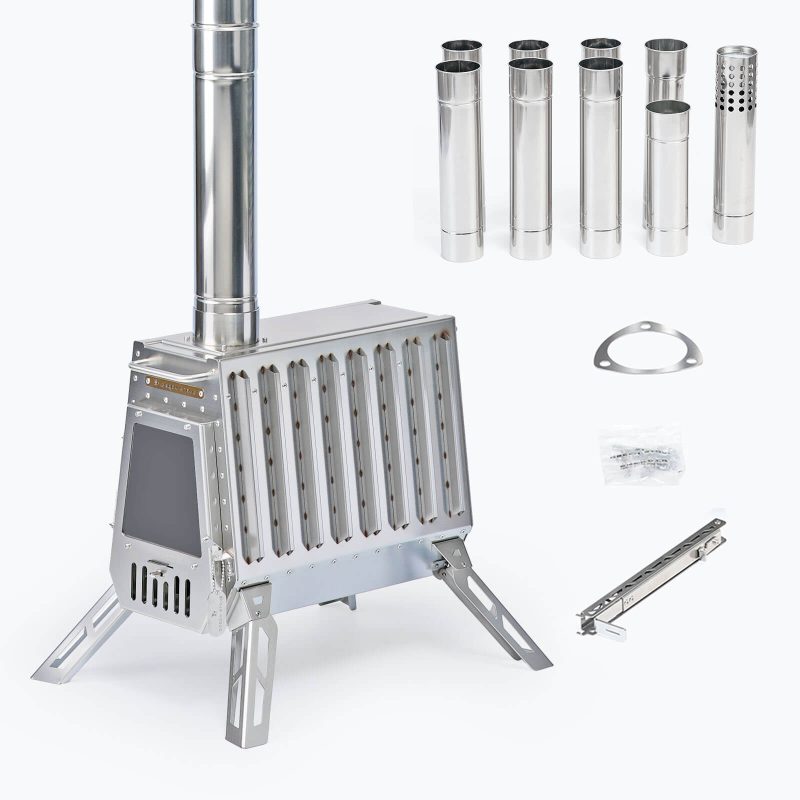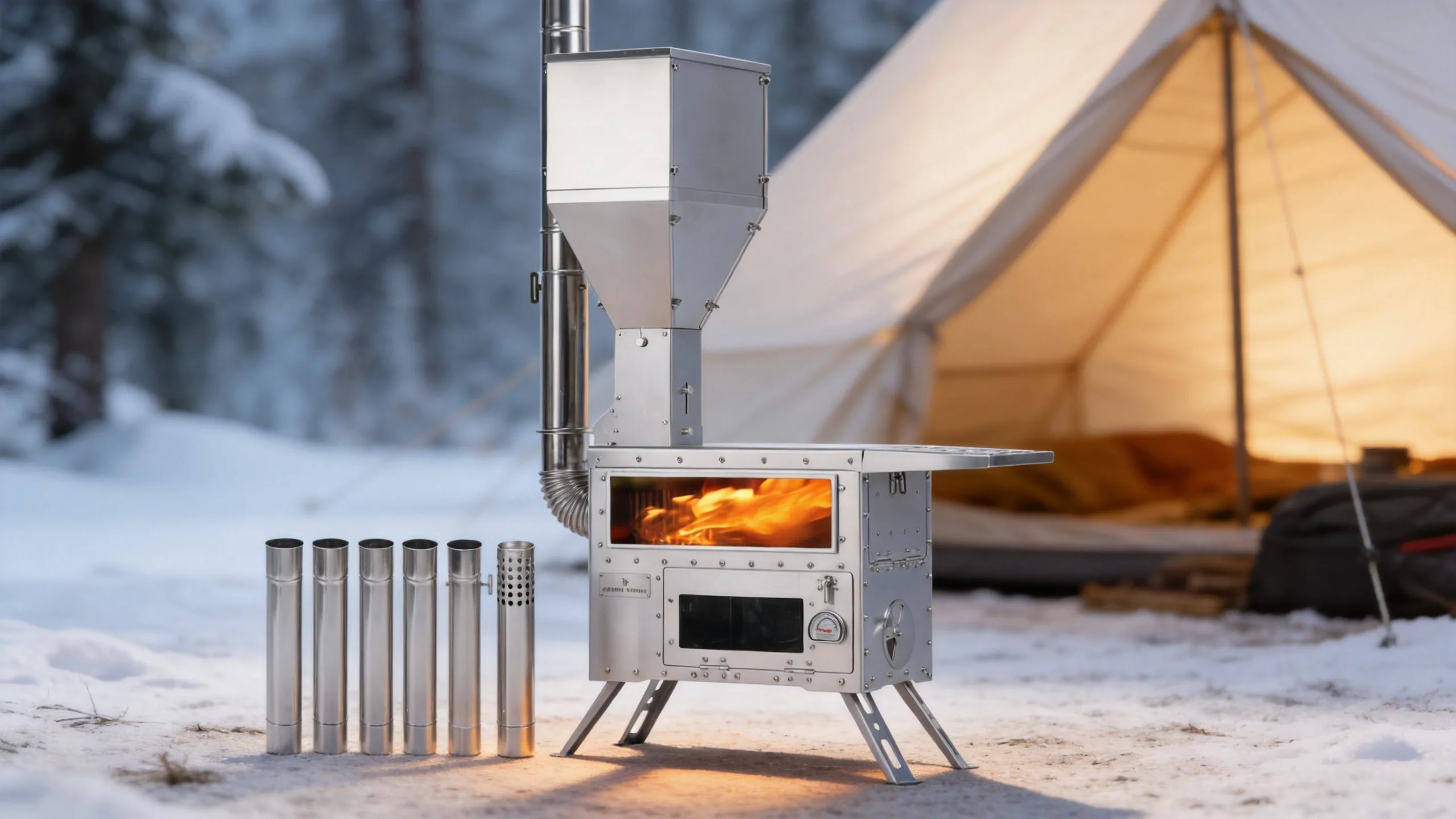
Why Clearance Matters for Tabletop Pellet Stoves
Tabletop pellet stoves like the Green Stove Table Master are popular for their convenience and efficiency, but they radiate intense heat. Without proper clearance, you risk scorching surfaces, melting gear, or even starting a fire. Unlike traditional campfires, pellet stoves produce a concentrated heat plume that can ignite nearby materials in minutes. This guide will walk you through safe clearances for outdoor use, so you can enjoy warmth without the worry.
Step 1: Choose a Safe Location
Before you even unpack your stove, scout for a suitable spot. Look for a level, non-combustible surface like bare dirt, gravel, or a large flat rock. Avoid grassy areas, pine needles, or wooden picnic tables—these can catch fire from radiant heat or stray embers. Ideally, position your stove at least 10 feet away from your tent, tarp, or any flammable structure. If you’re using a heat shield or a stove mat, you can reduce this distance, but never skip the clearance entirely.
Consider Wind and Ventilation
Wind can carry embers and intensify heat on one side. Set up so that the stove’s exhaust points away from your tent and seating area. Also, ensure there’s plenty of ventilation—pellet stoves consume oxygen and produce carbon monoxide. Never use a tabletop pellet stove inside a fully enclosed space without proper venting.
Step 2: Establish Minimum Clearances
Clearances are measured from the hottest part of the stove (usually the top and sides) to the nearest combustible material. For most tabletop pellet stoves, follow these guidelines:
- Above: At least 36 inches (3 feet) from any overhead cover, including tent ceilings, tarps, or tree branches.
- Sides: 24 inches from walls, tent fabric, or gear on all sides.
- Front: 36 inches from the door or opening to allow safe loading and avoid accidental contact.
- Floor: Use a non-combustible hearth pad or stove board that extends 12 inches beyond the stove on all sides.
These are general recommendations. Always check your stove’s manual for specific clearance requirements. The Green Stove Table Master, for example, comes with detailed safety instructions that may specify different distances based on its design.
Adjust for Tent Stoves
If you’re using a pellet tent stove like the Green Stove Hori 5 or Hori 5 Max, clearances are even more critical because these stoves are designed for enclosed spaces. The Hori 5 and Hori 5 Max are engineered with heat shields and require specific clearances to tent walls—often around 12-18 inches, but always refer to the manufacturer’s guidelines. These stoves are a great solution for hot-tent campers who want reliable heat without the bulk of a wood stove.
Step 3: Set Up a Non-Combustible Zone
Create a safety zone around your stove using non-combustible materials. A simple approach is to place the stove on a large flat stone or a piece of metal. You can also buy a dedicated stove mat or hearth pad. Clear away any dry leaves, twigs, or other debris within a 5-foot radius. If the ground is dry grass, soak it with water before setting up.
Use Heat Shields
Heat shields can reduce clearance distances by reflecting heat away from surfaces. They are especially useful when space is tight. However, they don’t eliminate the need for clearance—they just allow you to reduce it. Always follow the shield manufacturer’s recommendations.
Step 4: Monitor and Maintain
Once your stove is running, stay vigilant. Pellet stoves can develop hot spots if pellets don’t feed evenly. Check the stove periodically to ensure it’s stable and that no flammable materials have blown into the clearance zone. Keep a fire extinguisher nearby and know how to use it. Never leave a burning stove unattended.
Clearance Checklist
- Stove placed on level, non-combustible surface.
- At least 10 feet from tent or flammable structures (or less with heat shield, per manual).
- 36 inches overhead clearance.
- 24 inches side clearance.
- 36 inches front clearance.
- Non-combustible pad extends 12 inches beyond stove.
- No dry vegetation within 5 feet.
- Fire extinguisher within reach.
- Stove manual consulted for specific clearances.
Common Mistakes to Avoid
- Assuming all tabletop pellet stoves have the same clearances. Models vary; always check your manual.
- Placing the stove too close to a tent wall. Radiant heat can melt synthetic fabrics even without direct contact.
- Ignoring wind direction. Embers can travel and ignite nearby materials.
- Using the stove under a tarp or awning. Overhead clearance is crucial to prevent overheating and melting.
- Forgetting about floor protection. A stray hot pellet can burn through a tent floor or start a ground fire.
- Leaving the stove unattended. Always monitor it, especially when children or pets are around.
Frequently Asked Questions
Can I use a tabletop pellet stove inside a tent?
Only if the tent is specifically designed for stove use and has proper ventilation and a stove jack. Even then, you must follow strict clearance guidelines. For most campers, it’s safer to use the stove outside or in a hot tent with a dedicated stove jack and ample clearance.
How do I know if my clearance is sufficient?
After your stove has been running for 15-20 minutes, carefully touch the surfaces near the clearance zone (using a non-contact thermometer if possible). They should be cool to the touch. If they’re warm, increase the distance.
What’s the difference between clearance for tabletop and tent stoves?
Tent stoves like the Green Stove Hori 5 and Hori 5 Max are designed to be used inside tents with a chimney, so they have specific clearance requirements to tent walls, often smaller than tabletop stoves because they are engineered with heat shields. Tabletop stoves are typically used outdoors and need more generous clearances.
Can I reduce clearance with a heat shield?
Yes, but only if the heat shield is approved for that purpose and you follow the manufacturer’s reduced clearance specifications. Never guess.
What should I do if I smell smoke or see embers escaping?
Immediately increase clearance, check for leaks in the stove or chimney, and ensure the stove is not overfilled. If smoke persists, extinguish the fire and inspect your setup.
FAQ
Can I use a tabletop pellet stove inside a tent?
Only if the tent is specifically designed for stove use and has proper ventilation and a stove jack. Even then, you must follow strict clearance guidelines. For most campers, it’s safer to use the stove outside or in a hot tent with a dedicated stove jack and ample clearance.
How do I know if my clearance is sufficient?
After your stove has been running for 15-20 minutes, carefully touch the surfaces near the clearance zone (using a non-contact thermometer if possible). They should be cool to the touch. If they’re warm, increase the distance.
What’s the difference between clearance for tabletop and tent stoves?
Tent stoves like the Green Stove Hori 5 and Hori 5 Max are designed to be used inside tents with a chimney, so they have specific clearance requirements to tent walls, often smaller than tabletop stoves because they are engineered with heat shields. Tabletop stoves are typically used outdoors and need more generous clearances.
Can I reduce clearance with a heat shield?
Yes, but only if the heat shield is approved for that purpose and you follow the manufacturer’s reduced clearance specifications. Never guess.
What should I do if I smell smoke or see embers escaping?
Immediately increase clearance, check for leaks in the stove or chimney, and ensure the stove is not overfilled. If smoke persists, extinguish the fire and inspect your setup.
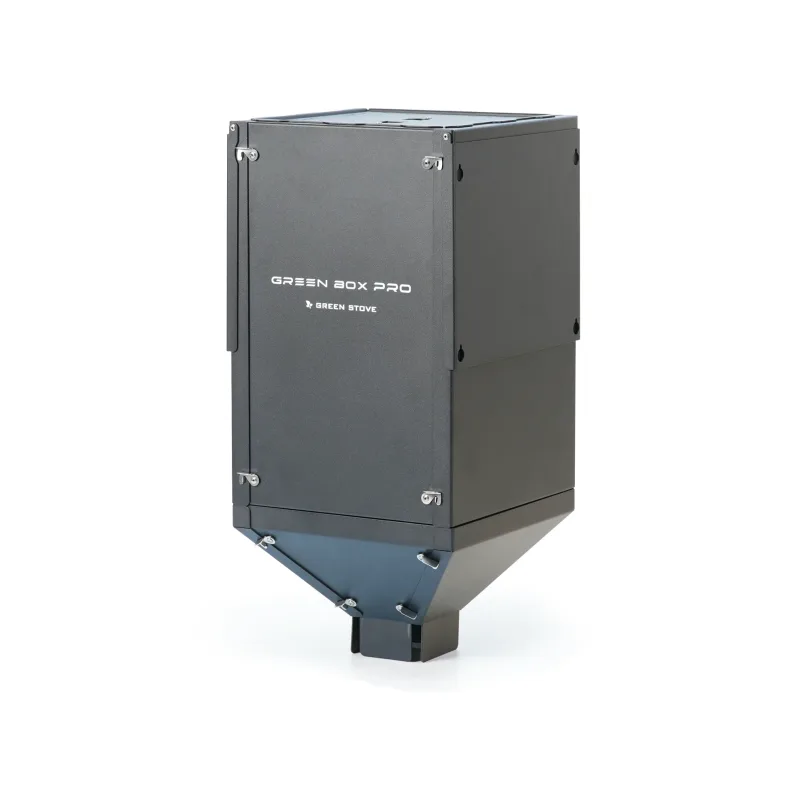
![Hori 5 Max Pellet Hot Tent Stove with Oven [Classic Control Version]](https://green-stove.com/wp-content/uploads/2025/10/hori5maxgreenstove002-800x800.webp)
![Hori 5 Max Pellet Hot Tent Stove with Oven [EASY OPERATION VERSION]](https://green-stove.com/wp-content/uploads/2026/09/61b6a5hzqRL._AC_SL1500_-800x800.webp)
![GREEN STOVE Hori 5 All-In-One Gravity Fed Pellet Wood Burning Hot Tent Stove [Classic Control Version]](https://green-stove.com/wp-content/uploads/2025/06/Green-Stove-Hori-5-Pellet-Stove-800x800.webp)